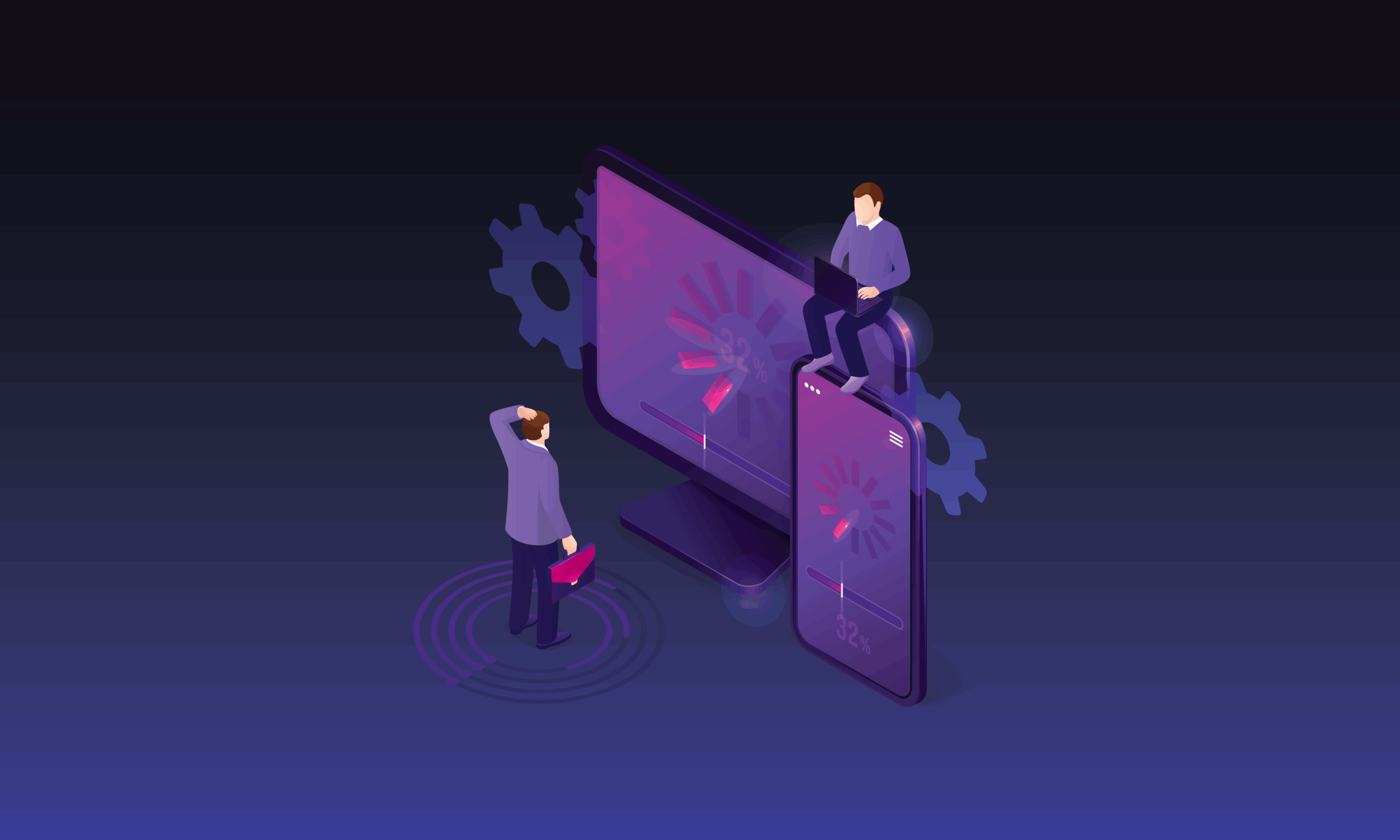
Many companies assume their software is fine because nothing is visibly broken. Orders are processed, reports are generated, and teams manage to get their work done. They continue to operate, however often unaware of the hidden costs associated with this decision.
Outdated systems often create hidden operational costs that accumulate over time. For growing companies – especially those relying on spreadsheets, manual workflows, or disconnected tools the real question isn’t if the system works, however: “How much is our current software and internal platforms costing us every month?”
What Is an Outdated Software Stack?
An outdated software stack typically includes a combination of:
- legacy systems built years ago
- disconnected tools and databases
- spreadsheet-based workflows
- manual data transfers between systems
- software that no longer integrates with modern tools
These systems may have worked well when the company was smaller. But as the organization grows, complexity increases and the technology struggles to keep up.
Over time, this leads to technical debt—a growing burden of inefficiencies that slow down the entire organization.
1. Decreased Productivity
Inefficiencies in Operations
Outdated software often leads to slow performance, frequent crashes, and compatibility issues. Employees may spend valuable time troubleshooting problems rather than focusing on their core tasks. This inefficiency can significantly impact overall productivity and employee morale.
Increased Training Time
Legacy systems often require extensive training for employees, as they may not be intuitive or user-friendly. New hires may struggle to adapt, leading to longer onboarding times and reduced productivity.
2. Rising Maintenance Costs
One of the most obvious costs of outdated software is maintenance. Legacy systems require constant fixes, manual monitoring, and specialists who become harder to find over time or they are expensive and unavailable.
- frequent system errors
- slow feature updates
- increasing hours spent on maintenance
Instead of investing in innovation, many companies end up dedicating the majority of their IT resources simply to keeping old systems running.
3. Slower Innovation and Product Development, Many Missed Opportunities
The biggest hidden cost of legacy software is not maintenance—it’s lost opportunity. The greater mainternance slows down:
- new product development
- automation initiatives
- digital transformation projects
- integration with modern technologies like AI
- poor customer experience
Inability to Leverage New Technologies
Outdated software stacks often lack integration capabilities with newer technologies, limiting your ability to adopt innovations that could enhance your business operations. This can result in missed opportunities for growth and improved customer experiences.
Meanwhile, competitors with modern infrastructure can move faster and experiment more easily. This could create huge competitive gap.
4. Security Vulnerabilities
Older software is typically more vulnerable to cyberattacks. Security updates for outdated systems may no longer be available, leaving your organization exposed to potential breaches that can compromise sensitive data.
Outdated software increases exposure to:
- cyberattacks – check out, if you are under cyber risk right now.
- compliance issues
- data breaches
- operational downtime
For companies handling sensitive customer or financial data, these risks can quickly turn into serious financial and reputational damage.
How Modern Companies Approach Their Software Stack
Instead of adding new tools every time a problem appears, modern companies focus on designing a coherent digital architecture that supports their core processes.
The goal is simple: technology should make operations easy and automated, not complicate them.
- Designing internal platforms that collaborate and mirrors the real workflows. That includes:
- dashboards
- custom worflow automatization
- integrated reporting tools
- internal KS
- process automation tools
- Creating scalable system that can grow as business grows
- scalable system design
- API based integrations
- cloud enviroments
- Automating the operations
- reporting and analytics
- data sync
- notifications
- approval workflows
- Preparing for AI and advanced automation
- scalable infrastructure
- structured data
- integrated systems
At Younics, we believe that modernizing the software and internal platform is not just a technical upgrade – it is a strategic investment in your business’s future. By addressing the hidden costs associated with outdated software, you can enhance productivity, improve security, lower maintenance expenses, seize new opportunities, and maintain a competitive edge.
Ready to modernize? Contact us today to learn how we can help you transform your technology landscape and drive your business forward.